


The foreign exchange market, commonly referred to as Forex, is the largest and most liquid financial market in the world, with a daily trading volume exceeding $6 trillion. This extensive market operates 24 hours a day, five days a week, offering ample opportunities for traders and investors alike. Whether you are a novice looking to dip your toes or a seasoned trader enhancing your portfolio, forex trading foreign exchange market https://trading-asia.com/ provides resources to navigate the complexities of Forex trading.
What is Forex Trading?
Forex trading involves the buying and selling of currencies in pairs, such as EUR/USD or GBP/JPY. When you trade in the Forex market, you are essentially betting on the movement of one currency against another. The aim is to exchange one currency for another at a favorable rate to reap profits. The foreign exchange market is decentralized, meaning it does not have a central exchange or a physical location, which gives traders flexibility in how they trade.
Understanding Currency Pairs
Currency pairs consist of a base currency and a quote currency. The base currency is the first currency in a pair, while the quote currency is the second. For example, in the pair EUR/USD, the euro is the base currency, and the US dollar is the quote currency. Traders will buy the pair if they expect the base currency to strengthen against the quote currency or sell the pair if they anticipate the opposite.
How Does Forex Trading Work?
Forex trading takes place over-the-counter (OTC), meaning transactions occur directly between parties rather than through a centralized exchange. Trading is conducted through networks of banks and financial institutions worldwide. Traders can open positions through brokers who provide trading platforms to facilitate transactions.
Key Participants in the Forex Market
- Central Banks: These institutions control a nation’s currency and implement monetary policy. Their decisions can significantly influence currency values, affecting market directions.
- Commercial Banks: They hold major positions in the Forex market, serving both retail and institutional clients while also engaging in proprietary trading.
- Hedge Funds: These investment funds engage in speculating on currency movements to maximize returns on investment.
- Retail Traders: Individual traders who trade through online platforms to speculate on currency movements.
The Role of Leverage in Forex Trading
Leverage is a crucial aspect of Forex trading that allows traders to control larger positions with a smaller amount of capital. This means that a trader can amplify their potential profits but also increase the risk of losses. Leverage ratios can vary significantly from one broker to another, with some offering ratios as high as 100:1 or even 500:1. However, while leverage can enhance potential gains, it also magnifies losses, making risk management critical in Forex trading.
Understanding Currency Pips and Spreads
A ‘pip’ is a standard unit of measurement that indicates the smallest price movement in a currency pair. In most pairs, this movement is measured in the fourth decimal place (0.0001), except for pairs that involve the yen, where it is measured in the second decimal place (0.01). The ‘spread’ refers to the difference between the buying and selling price of a currency pair, which represents the broker’s profit. Understanding pips and spreads is essential for effective trading and managing costs.
Technical vs. Fundamental Analysis
Forex traders utilize two main types of analysis: technical analysis and fundamental analysis. Technical analysis focuses on price charts and trading indicators to make decisions based on historical price movements. Traders use various tools, such as moving averages, trend lines, and Fibonacci retracements, to forecast future price movements.
Conversely, fundamental analysis revolves around economic indicators and news events. Traders analyze factors such as interest rates, inflation, employment statistics, and geopolitical events to assess currency strength. A thorough understanding of both analyses can provide advantages in predicting market movements.
Developing a Trading Strategy
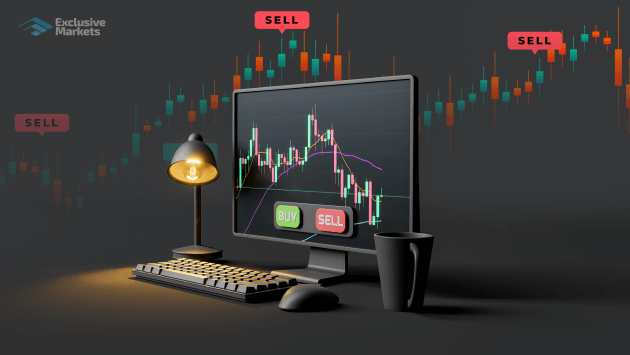
A well-defined trading strategy is vital in the Forex market. Trading strategies can vary considerably, ranging from day trading to swing trading to position trading, each catering to different risk tolerances and time commitments. Here are crucial components of a successful trading strategy:
- Goals: Determine clear financial goals and risk levels.
- Risk Management: Implement strict risk management rules, including stop-loss orders to protect against significant losses.
- Backtesting: Test the strategy using historical data to gauge its effectiveness.
- Emotional Control: Stay disciplined, avoiding impulsive decisions based on market emotions.
The Importance of Education and Continuous Learning
The Forex market is dynamic, and factors influencing currency values can change rapidly. Ongoing education is essential for maintaining a competitive edge. Traders should take advantage of online courses, webinars, analytical tools, and forums to refine their skills and knowledge. Additionally, keeping abreast of global news and economic indicators will help traders make informed decisions.
Common Mistakes to Avoid in Forex Trading
Despite the potential for high returns, many traders fall prey to common pitfalls:
- Overleveraging: Using excessive leverage can lead to significant losses, even for small market movements.
- Neglecting Risk Management: Failing to implement stop-loss orders or proper position sizing can lead to catastrophic losses.
- Emotional Trading: Making impulsive decisions based on fear or greed can disrupt a trading strategy.
- Lack of Research and Planning: Entering trades without adequate analysis or a solid plan can result in unpredictable outcomes.
Conclusion
The Forex market presents a wealth of opportunities for traders, but it is essential to approach it with knowledge, discipline, and the right tools. By understanding the fundamentals of Forex trading, familiarizing oneself with currency pairs, employing solid trading strategies, and effectively managing risks, traders can increase their odds of success. As you embark on your Forex trading journey, continue to educate yourself, adapt to changes, and stay aware of the global economic landscape.